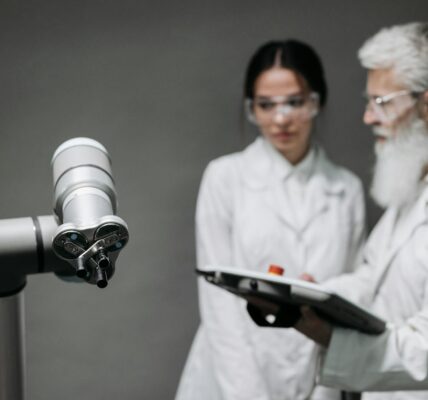

The intersection of technology and industry development has become a catalyst for innovation in the modern era. Companies across various sectors are increasingly leveraging technological advancements to optimize processes, enhance productivity, and create new business models. As we delve into this dynamic landscape, it is essential to identify the key trends shaping industry growth and understand their implications for the future.
From automation to artificial intelligence, the landscape is shifting rapidly, presenting both challenges and opportunities. By recognizing these trends, businesses can position themselves strategically to harness the power of technology.
1. The Rise of Automation
Automation has transcended traditional manufacturing to infiltrate various sectors, including logistics, healthcare, and finance. According to a report by McKinsey, up to 800 million global workers could be displaced by automation by 2030. However, it also creates new job categories and enhances efficiency. For instance, Amazon’s use of automated warehouse systems has significantly reduced delivery times, showcasing how businesses can leverage technology to achieve competitive advantages.
2. Artificial Intelligence Advancements
AI is no longer a futuristic concept; it is being integrated into everyday operations. Industries are using AI for predictive analytics, customer service through chatbots, and even in supply chain management. A study by PwC indicates that AI could contribute up to $15.7 trillion to the global economy by 2030. Companies like IBM and Google are continuously innovating in this space, providing tools that enable businesses to make data-driven decisions.
3. Internet of Things (IoT) Integration
The IoT ecosystem facilitates interconnectivity between devices, allowing for real-time data collection and analysis. In manufacturing, smart sensors can monitor equipment performance and predict maintenance needs, potentially saving companies millions in downtime. For example, GE’s Predix platform enables industries to connect machinery and analyze their performance data, leading to improved operational efficiency.
4. Sustainable Technology Practices
As industries face increasing pressure to adopt sustainable practices, technology plays a crucial role. Companies are investing in renewable energy technologies and smart grids to reduce their carbon footprint. According to the International Renewable Energy Agency, the renewable energy sector is expected to create 24 million jobs globally by 2030. This shift not only benefits the environment but also opens new avenues for economic growth.
5. Blockchain for Transparency
Blockchain technology is transforming how industries manage transactions and data transparency. Beyond cryptocurrencies, sectors like supply chain management are leveraging blockchain to assure product authenticity and traceability. For instance, Walmart employs blockchain to track food products from farm to shelf, enhancing food safety and reducing waste.
6. Remote Work Technology
The pandemic accelerated the shift toward remote work, leading to a surge in demand for collaboration tools. Technologies such as Zoom, Slack, and Microsoft Teams have become essential for maintaining productivity. According to Buffer’s State of Remote Work report, 98 percent of remote workers would like to work remotely for the rest of their careers, indicating a permanent shift in how companies view work environments.
7. Cybersecurity Innovations
With the increasing dependence on technology, cybersecurity has become paramount. The global cybersecurity market is projected to reach $345.4 billion by 2026. Companies are investing in advanced security measures, including AI-driven threat detection systems, to protect sensitive data. For example, Crowdstrike employs AI to identify and respond to cyber threats in real-time, helping businesses safeguard their operations.
8. 3D Printing in Manufacturing
3D printing is revolutionizing manufacturing by enabling rapid prototyping and custom production. This technology reduces costs and time associated with traditional manufacturing processes. According to a report by Wohlers Associates, the 3D printing industry is expected to grow to $35.6 billion by 2024. Companies like Boeing leverage 3D printing for producing complex aircraft components, demonstrating the technology’s potential in enhancing manufacturing capabilities.
9. Advanced Data Analytics
Data analytics is at the core of informed decision-making in industries today. Businesses are utilizing big data to gain insights into consumer behavior, optimize operations, and forecast trends. According to a study by Deloitte, organizations that embrace data analytics are 5 times more likely to make faster decisions than their competitors. Companies like Netflix use data analytics to personalize viewer recommendations, showcasing the power of data in engaging customers.
10. Digital Twins in Product Development
The concept of digital twins-virtual representations of physical objects-has gained traction in product development and maintenance. This technology allows companies to simulate and analyze real-world performance in a virtual environment, reducing costs and improving design. General Motors uses digital twins to optimize vehicle performance before production, showcasing how this technology can enhance innovation and efficiency.
In conclusion, the integration of technology into industry development is not merely a trend but a necessity for sustained growth and competitiveness. Understanding these transformative trends equips businesses with the insights needed to adapt and thrive in a rapidly changing landscape.