
When I first started paying attention to corporate governance I honestly thought it was something reserved for massive public corporations with layers of executives and complex board structures. Back then I was focused on growth metrics revenue targets expansion plans and operational efficiency. Governance sounded slow and bureaucratic.
What changed my perspective was watching growing businesses struggle not because of poor products or weak sales but because of internal confusion unclear authority and weak financial discipline. Growth exposed structural weaknesses that were invisible in the early stages.
Corporate governance is not about adding complexity. It is about creating clarity and stability as a business expands. According to research from the Organisation for Economic Co operation and Development companies that implement governance frameworks early tend to improve investor confidence and reduce long term risk exposure. Even privately held companies benefit from adopting governance standards before outside capital enters the picture.
From experience observing scaling businesses one thing becomes obvious. The moment a company begins to grow governance stops being optional and becomes foundational.
Defining Clear Roles and Authority
One of the most common issues in growing companies is blurred responsibility. Founders make every decision. Managers hesitate to act. Teams duplicate work because authority boundaries are unclear.
Good governance begins with defining decision rights. Who approves major expenditures. Who sets strategic direction. Who handles operational execution. Even in small organizations documenting these boundaries reduces internal friction.
Clarity speeds up execution. Confusion slows it down. Growing businesses that establish written responsibility frameworks often experience smoother scaling because accountability is not dependent on personalities.
Establishing Oversight Structures
Many founders resist oversight because they fear losing control. In reality structured oversight strengthens decision making.
Oversight does not require a large formal board. It can begin with a small advisory group that reviews financial performance risk exposure and strategic direction quarterly. Studies from international finance institutions show that companies with structured oversight mechanisms often demonstrate stronger resilience during economic downturns.
An external perspective introduces objectivity. It challenges assumptions and reduces emotional decision making which becomes critical as financial stakes increase.
Building Transparent Financial Reporting
As revenue increases financial complexity increases. Cash flow timing becomes more important. Debt structures become layered. Investment decisions carry higher consequences.
Transparent financial reporting is one of the most powerful governance tools. Monthly financial summaries cash flow forecasts and documented liabilities create visibility. Visibility supports informed strategy.
Interesting data from global corporate surveys indicates that businesses with consistent internal financial reporting reduce operational risk and improve access to financing. Investors and lenders evaluate reporting discipline before committing capital.
Financial transparency is not about impressing outsiders. It protects insiders from making blind decisions.
Implementing Structured Risk Management
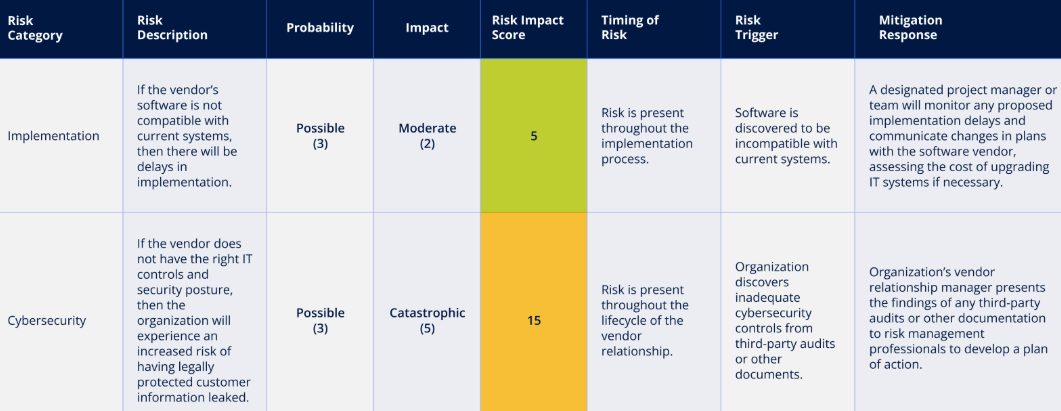
Risk management sounds abstract but it is practical. Growing businesses face operational legal financial and reputational risks simultaneously.
Effective governance requires identifying these risk categories early. Assigning responsibility for monitoring them ensures accountability. Regular compliance reviews prevent small issues from turning into expensive crises.
The World Economic Forum consistently identifies governance failure and regulatory non compliance as major contributors to corporate instability. Structured risk awareness reduces surprise exposure.
Growing companies that delay risk management often pay higher costs later in legal disputes regulatory penalties or reputational damage.
Separating Personal and Corporate Interests
In early stage companies personal and corporate boundaries often overlap. Founders use personal funds. Corporate expenses mix with personal decisions. Informal agreements replace written contracts.
As a business grows these blurred lines create financial and legal vulnerability. Governance best practice requires clean separation between personal finances and company assets. Related party transactions should be documented and approved transparently.
Financial institutions and investors examine these details carefully. Clean governance structures make future fundraising smoother and negotiations stronger.
Creating Ethical Standards and Culture
Governance is not purely structural. It is cultural.
Documented codes of conduct conflict of interest policies and reporting channels create behavioral consistency. Employees need to understand expectations clearly especially as teams expand across departments or regions.
Research in corporate behavior consistently shows that companies embedding ethical frameworks early experience greater long term stability. Culture reinforces governance and governance stabilizes culture.
When ethical guidelines are clear decision making becomes more consistent across leadership levels.
Planning for Continuity and Succession
Growth increases dependence on leadership. Yet many growing businesses ignore succession planning because it feels premature.
Sustainable governance anticipates leadership transition. Identifying future managers cross training roles and documenting operational processes reduce vulnerability. Unexpected disruptions do not paralyze the organization when continuity planning exists.
Succession planning is not about replacing founders. It is about protecting the enterprise from concentration risk.
Maintaining Regulatory Awareness
As businesses expand into new markets regulatory exposure increases. Tax frameworks shift. Data protection standards evolve. Industry compliance rules change.
Governance requires ongoing monitoring of relevant regulations. Periodic legal consultation ensures internal policies align with current requirements. Proactive compliance is less costly than reactive correction.
Growing businesses that ignore regulatory awareness often face sudden penalties that disrupt cash flow and reputation simultaneously.
Why Governance Accelerates Growth
There is a misconception that governance slows innovation. In reality structured governance accelerates sustainable growth.
Clear authority reduces conflict. Transparent reporting supports better capital allocation. Risk monitoring prevents expensive setbacks. Ethical standards strengthen reputation.
Governance becomes especially critical at the stage when businesses feel too busy to implement it. That is precisely when structure matters most.
From what I have observed companies that pause to formalize governance during rapid expansion often outperform those that focus only on revenue metrics. Growth without structure creates fragility. Growth supported by governance creates durability.
Corporate governance for growing businesses is not about copying multinational corporations. It is about applying foundational principles of clarity accountability transparency and foresight.
When these principles are embedded early scaling becomes more predictable. Investors gain confidence. Teams operate with defined responsibility. Leaders make decisions supported by structured information rather than intuition alone.
In my view governance is not control. It is discipline. And discipline is what allows ambition to scale without collapsing under its own weight.
If you want growth that lasts governance is not a future project. It is a present requirement.