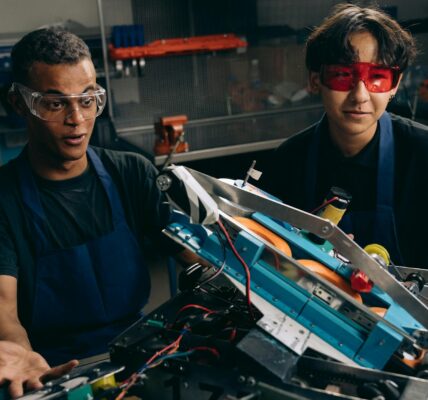

Innovation has become a cornerstone in driving the evolution of modern industries. From technology to healthcare, the adoption of innovative practices reshapes operational frameworks and enhances competitive advantage. This transformation is not merely about developing new products; it encompasses changing how businesses operate, deliver services, and engage with consumers. Understanding these dynamics reveals how essential innovation is in maintaining relevance and sustainability within various sectors.
Today, industries are witnessing a relentless push towards digitalization, automation, and sustainability. These changes are not random but are driven by technological advancements, consumer demands, and the pressing need for efficiency and adaptability.
Technological Advancements and Their Influence
The technology sector exemplifies the profound impact of innovation. For instance, artificial intelligence (AI) and machine learning are revolutionizing industries by optimizing processes and enhancing data analysis. Companies like Amazon leverage AI to streamline logistics and improve customer experience through personalized recommendations. This innovative approach not only boosts efficiency but also increases customer satisfaction, demonstrating a clear correlation between innovation and business success.
Sustainability as a Driving Force
Another significant area where innovation significantly impacts industries is sustainability. With growing concerns about climate change, businesses are innovating to reduce their carbon footprints. The automotive industry, for example, is shifting towards electric vehicles (EVs). Tesla has pioneered this shift, proving that innovation in battery technology and renewable energy can lead to a successful, sustainable business model. The global EV market is expected to grow at a compound annual growth rate of 22.1% from 2021 to 2028, highlighting the economic potential of this innovative direction.
Consumer Engagement through Digital Transformation
Moreover, digital transformation has fundamentally altered consumer engagement. Industries are now utilizing augmented reality (AR) and virtual reality (VR) to create immersive customer experiences. Retailers like IKEA offer AR apps that allow customers to visualize furniture in their homes before making a purchase. This innovative tactic not only enhances customer experience but also reduces return rates, showcasing how innovation can lead to more efficient business practices.
The Future of Innovation in Industries
As we look to the future, the importance of fostering a culture of innovation within organizations becomes clear. Companies that prioritize research and development are better positioned to adapt to changing market dynamics and consumer preferences. Collaborative innovation, where businesses partner with startups and research institutions, is gaining traction. This approach accelerates the development of new ideas and technologies, ensuring that industries remain competitive in a fast-evolving landscape.
In conclusion, the impact of innovation on modern industries is profound and multifaceted. From technological advancements to sustainable practices and enhanced consumer engagement, it plays a crucial role in shaping the future of business. A commitment to innovation not only drives growth but also secures a competitive edge in an increasingly complex market environment.