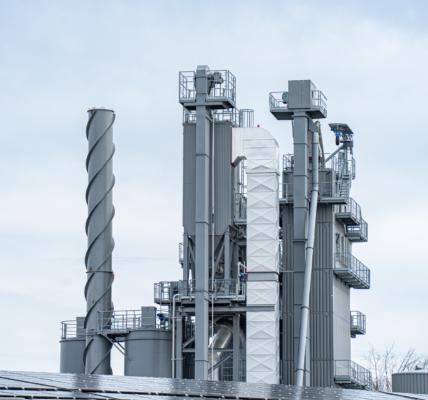

Innovation is a cornerstone of progress in engineering, driving advancements that redefine industries and improve quality of life. From artificial intelligence to sustainable materials, the engineering field is undergoing a significant transformation. As technology continues to evolve, the integration of innovative techniques not only enhances efficiency but also addresses pressing global challenges.
Understanding the latest trends in engineering innovations is crucial for professionals and organizations alike. This article delves into ten transformative innovations that are shaping the engineering landscape today.
Artificial Intelligence and Machine Learning
Artificial intelligence (AI) and machine learning (ML) are revolutionizing engineering by optimizing design processes, enhancing predictive maintenance, and improving data analysis. For example, in civil engineering, AI algorithms are used to analyze vast amounts of data from sensors embedded in structures, predicting potential failures before they occur. This proactive approach can significantly reduce maintenance costs and increase safety.
3D Printing Technologies
3D printing, or additive manufacturing, is breaking barriers in prototyping and production. Engineers can create complex geometries and customized products that were previously impossible with traditional manufacturing methods. Industries like aerospace and healthcare utilize 3D printing for components that are lighter, stronger, and tailored to specific needs. The Boeing 787 Dreamliner, for instance, incorporates over 30 3D-printed parts, showcasing the material’s potential.
Smart Materials
Smart materials are engineered to respond dynamically to environmental changes. For instance, shape memory alloys can return to their original form after deformation when subjected to temperature changes. These materials are increasingly used in applications ranging from aerospace to adaptive building facades, demonstrating their versatility and efficiency. Engineers are continuously exploring their capabilities to create responsive designs that enhance functionality.
Renewable Energy Engineering
As the world shifts toward sustainability, innovations in renewable energy engineering are at the forefront. Advancements in solar panel efficiency and wind turbine technology underscore this trend. For instance, the introduction of floating solar farms allows for solar energy generation in areas lacking land, maximizing usage of water surfaces while reducing evaporation. Such innovations are integral to achieving global sustainability goals.
Blockchain in Engineering Projects
Blockchain technology, best known for its association with cryptocurrency, is making inroads into engineering project management. By providing a secure and transparent way to record transactions, blockchain can enhance collaboration among stakeholders. In construction, it enables smart contracts, reducing fraud and ensuring timely payments, thus streamlining project delivery.
Virtual Reality and Augmented Reality
Virtual reality (VR) and augmented reality (AR) are transforming the way engineers visualize and interact with designs. Through immersive environments, engineers can simulate projects before physical construction, allowing for better design choices and error reductions. For instance, AR applications are used in maintenance, where technicians can visualize complex systems with real-time data overlays, enhancing efficiency.
Robotics in Construction
The integration of robotics in construction is speeding up processes and improving safety. Automated machines can execute repetitive tasks such as bricklaying with precision and speed, reducing construction times and minimizing human error. Companies like ICON have developed 3D-printed homes using robotics, highlighting how technology can tackle housing shortages effectively.
Geographic Information Systems
Geographic Information Systems (GIS) have evolved significantly, enhancing urban planning and resource management. By visualizing spatial data, engineers can analyze patterns and make informed decisions about infrastructure development. This technology is critical for managing natural resources and planning in disaster-prone areas, making communities more resilient.
Cybersecurity in Engineering
With increased connectivity comes the necessity for robust cybersecurity measures. Engineering systems, especially in critical infrastructure, are vulnerable to cyber threats. Engineers are now tasked with integrating security features into the design process, ensuring that systems remain safe from potential attacks and data breaches.
Biomimicry in Design
Biomimicry involves drawing inspiration from nature to solve engineering challenges. By observing how organisms have adapted to their environments, engineers can develop solutions that are both effective and sustainable. The Eastgate Centre in Zimbabwe, for example, was designed based on termite mounds’ natural ventilation systems, demonstrating how nature’s ingenuity can inform architectural practices.
In conclusion, innovation in engineering spans a broad spectrum of technologies and approaches. As these ten transformative innovations demonstrate, the engineering field is not only evolving but also becoming increasingly essential in addressing global challenges. The future holds immense potential as these innovations continue to develop, promising a more efficient, sustainable, and dynamic world.