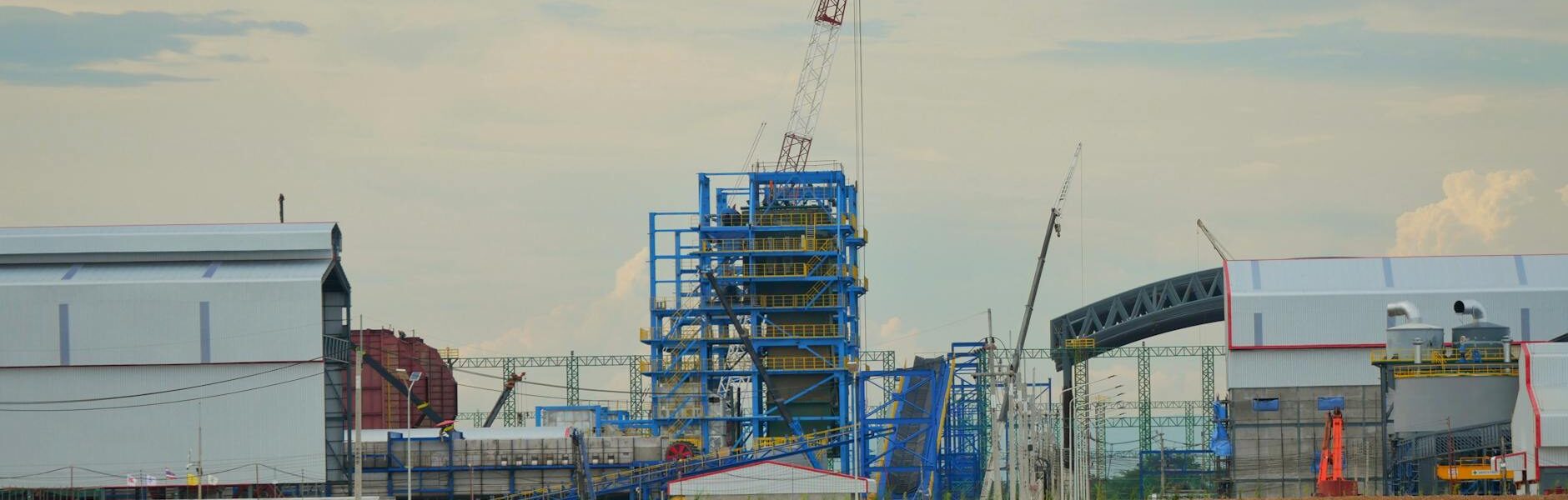

In an era defined by rapid technological evolution, the intersection between technology and industry development has become increasingly significant. The ability of industries to adapt and leverage new technologies not only enhances productivity but also reshapes market dynamics. From artificial intelligence to advanced manufacturing techniques, the innovations driving these changes are pivotal in determining competitive advantages across various sectors.
Understanding the implications of these advancements is essential for businesses aiming to thrive in a constantly changing environment. This article delves into ten transformative innovations that are redefining industry standards and practices.
Artificial Intelligence and Automation
Artificial intelligence (AI) is revolutionizing how industries operate. Companies are increasingly integrating AI to streamline operations, reduce costs, and enhance decision-making processes. For instance, in manufacturing, AI-driven predictive maintenance systems can forecast equipment failures before they occur, thereby minimizing downtime and maintenance costs. According to a report from McKinsey, AI could potentially create an additional $13 trillion in economic activity by 2030.
Blockchain Technology
Blockchain is more than just the backbone of cryptocurrency; it offers a secure and transparent method for recording transactions across industries. Supply chain management is one area where blockchain has made significant inroads. For example, IBM’s Food Trust blockchain enables real-time tracking of food products from farm to table, enhancing traceability and reducing the risk of contamination. This not only builds consumer trust but also aids in regulatory compliance.
Advanced Manufacturing Techniques
The advent of advanced manufacturing technologies, such as 3D printing and robotics, is altering production processes. These technologies allow for rapid prototyping and custom production, which can lead to reduced waste and lower inventory costs. A study by Deloitte found that 3D printing has the potential to generate $35 billion in economic impact in the United States alone by 2025.
Internet of Things (IoT)
The Internet of Things connects devices to the internet, providing real-time data that can drive operational efficiency. In sectors such as agriculture, IoT sensors can monitor soil conditions, enabling farmers to optimize water usage and increase crop yields. A significant finding by Gartner suggests that the number of connected devices will reach 25 billion by 2025, highlighting the extensive reach and potential of IoT technologies.
Renewable Energy Technologies
As industries strive for sustainability, renewable energy technologies are gaining traction. Innovations in solar and wind energy are making these sources more viable for large-scale industrial applications. According to the International Renewable Energy Agency, the cost of solar energy has declined by 82 percent since 2010, making it a competitive alternative to fossil fuels.
Data Analytics
Data analytics allows businesses to make informed decisions based on real-time insights. By analyzing consumer behavior and market trends, companies can fine-tune their strategies to meet evolving demands. According to a report by IBM, businesses that use data-driven strategies see an average increase in productivity of 5 to 6 percent.
Cybersecurity Innovations
As technology advances, so do the threats posed by cyberattacks. Innovations in cybersecurity are crucial for protecting sensitive data and maintaining consumer trust. The rise of AI in cybersecurity helps organizations detect anomalies in network traffic, allowing for quicker responses to potential threats. The global cybersecurity market is projected to reach $345.4 billion by 2026, underscoring the growing importance of robust security measures.
Virtual and Augmented Reality
Virtual and augmented reality technologies are not only transforming entertainment but also training and education within industries. For example, companies like Boeing utilize VR for training assembly line workers, resulting in a more efficient onboarding process. The global market for VR and AR is expected to reach $209.2 billion by 2022, indicating significant investment and development in these fields.
Smart Manufacturing
Smart manufacturing integrates cutting-edge technologies such as IoT, AI, and big data analytics into traditional manufacturing processes. This paradigm shift leads to greater flexibility and efficiency in production. A report from the World Economic Forum indicates that smart manufacturing could contribute $3.7 trillion to the global economy by 2025, emphasizing its potential to revolutionize industries.
Conclusion
The ongoing technological advancements across various industries highlight a transformative era that presents both opportunities and challenges. Businesses that embrace and adapt to these innovations will be better positioned to thrive in a competitive landscape. As technology continues to evolve, understanding its implications and applying it strategically will be key to future success.